


Homeowners looking to upgrade their hot-water systems often consider tankless technology. Unlike traditional storage heaters, tankless units heat water as it flows through the equipment. This approach can save space and reduce standby heat loss, making it an appealing option for certain households.
However, choosing tankless water heater installation requires careful planning. Equipment capacity, fuel supply, household demand, installation costs, and maintenance requirements all need to be evaluated. Understanding these factors can help homeowners decide whether a tankless system is a suitable investment.
How Does a Tankless Water Heater Work?
A traditional water heater stores a quantity of hot water in an insulated tank. The system maintains the stored water at a selected temperature so it is available when needed.
A tankless unit works differently. When someone opens a hot-water tap, cold water moves through the heater. The equipment activates and heats the water as it passes through a heat exchanger.
Because water is heated on demand, the system does not need to maintain a large tank of stored hot water. This can reduce standby energy loss, although actual energy savings depend on household usage, equipment efficiency, and local energy costs.
Potential Benefits of Tankless Systems
One advantage is their compact design. Tankless units are generally smaller than traditional storage heaters, which may create additional usable space in a utility room or other installation area.
Another potential benefit is a continuous supply of hot water within the unit’s rated capacity. A correctly sized system can provide hot water for extended periods without waiting for a storage tank to refill and reheat.
Some homeowners also appreciate the potential for improved energy efficiency. Since the system heats water when required, it avoids maintaining a large stored volume at a constant temperature.
However, performance depends on proper sizing and installation. A tankless heater that is too small for the household may struggle to supply multiple outlets simultaneously.
Understanding Installation Requirements
Before beginning tankless water heater installation, a plumber should evaluate the existing plumbing system and the property’s infrastructure.
Important considerations include:
- Household hot-water demand and peak flow requirements.
- Incoming water temperature and the required temperature increase.
- Natural gas, propane, or electrical supply availability.
- Venting and combustion-air requirements for applicable models.
- Existing water-pipe size and configuration.
- Available installation space and equipment clearances.
- Manufacturer instructions and local code requirements.
Some homes may require upgrades to gas piping, electrical circuits, venting, or water connections. These additional requirements should be identified before the homeowner purchases the equipment.
Comparing Tankless and Traditional Water Heaters
A traditional tank heater may have a lower initial purchase and installation cost in some situations. It is also familiar technology for many homeowners and may fit an existing installation without major modifications.
A tankless system can offer space savings and reduced standby heat loss, but the initial project may be more expensive if infrastructure upgrades are necessary.
Homeowners should compare the total cost of ownership rather than focusing only on the purchase price. Equipment efficiency, expected maintenance, warranty terms, fuel costs, and household usage all influence long-term value.
A professional can explain the differences and help identify the option that makes practical sense.
The Importance of Professional Water Heater Installation
Water heaters involve important safety and performance considerations. Gas-powered equipment requires suitable fuel connections and venting, while electric models must meet the manufacturer’s electrical requirements.
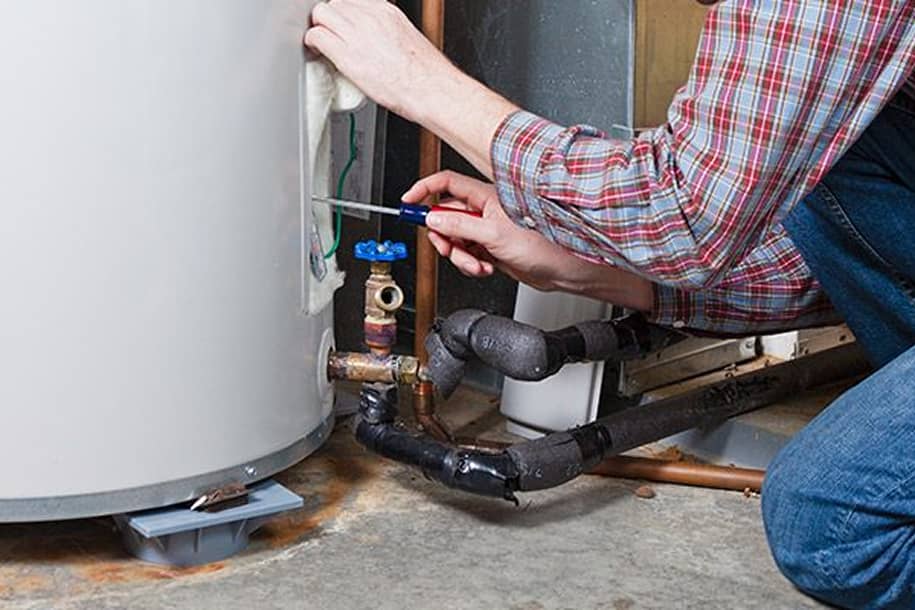
Professional water heater installation includes evaluating the installation area, preparing connections, positioning the equipment, and completing the required safety checks.
A qualified installer should follow the equipment manufacturer’s instructions and applicable codes. The work may require permits or inspections, depending on the location and project.
Homeowners should request clear information about equipment specifications, installation scope, warranty coverage, and any necessary upgrades before approving the work.
Water Quality and Tankless Heater Maintenance
Mineral buildup can affect water-heating equipment, especially in areas where water is hard. Scale may accumulate inside components and reduce heat-transfer efficiency if maintenance is neglected.
Water testing can help determine whether mineral content or another water-quality issue needs attention. Depending on the results, a suitable water filtration or water-treatment system may be worth considering.
It is important to choose the correct treatment method. A sediment filter, carbon filter, and water softener serve different purposes. A plumber can explain which option is appropriate for the property’s water conditions.
Tankless systems may also require periodic descaling or other maintenance according to the manufacturer’s recommendations.
Additional Plumbing Improvements to Consider
A water heater upgrade can be a convenient time to review other plumbing needs. Leaking faucets, worn shower fittings, and outdated bathroom components may benefit from fixture replacement.
If a toilet is continuously running or failing to flush correctly, professional toilet repair can address the problem and help reduce water waste.
Homeowners who are adding gas-powered appliances may also need an assessment of their existing fuel supply. Any required gas line installation or modification must be completed by an appropriately qualified professional and checked according to applicable safety requirements.
These improvements should be planned separately and evaluated according to the property’s actual needs.
Questions to Ask Before Hiring an Installer
Before choosing a contractor, ask about their qualifications, experience with the selected equipment, and familiarity with local installation requirements.
Request a written estimate that identifies the heater model, installation work, potential upgrades, and any additional charges. It is also useful to understand the manufacturer’s warranty and whether the contractor provides a workmanship warranty.
A reliable professional should explain the installation process clearly and answer questions without pressuring the homeowner into an unsuitable system.
Conclusion
Tankless water heaters can provide space-saving convenience and on-demand hot water, but they are not automatically the right solution for every household. Proper sizing, infrastructure compatibility, installation quality, and ongoing maintenance all influence performance.
Before choosing tankless water heater installation, arrange a professional assessment and compare the long-term costs and benefits with a traditional system. Making an informed decision can help ensure that the new water heater meets household needs safely and reliably.